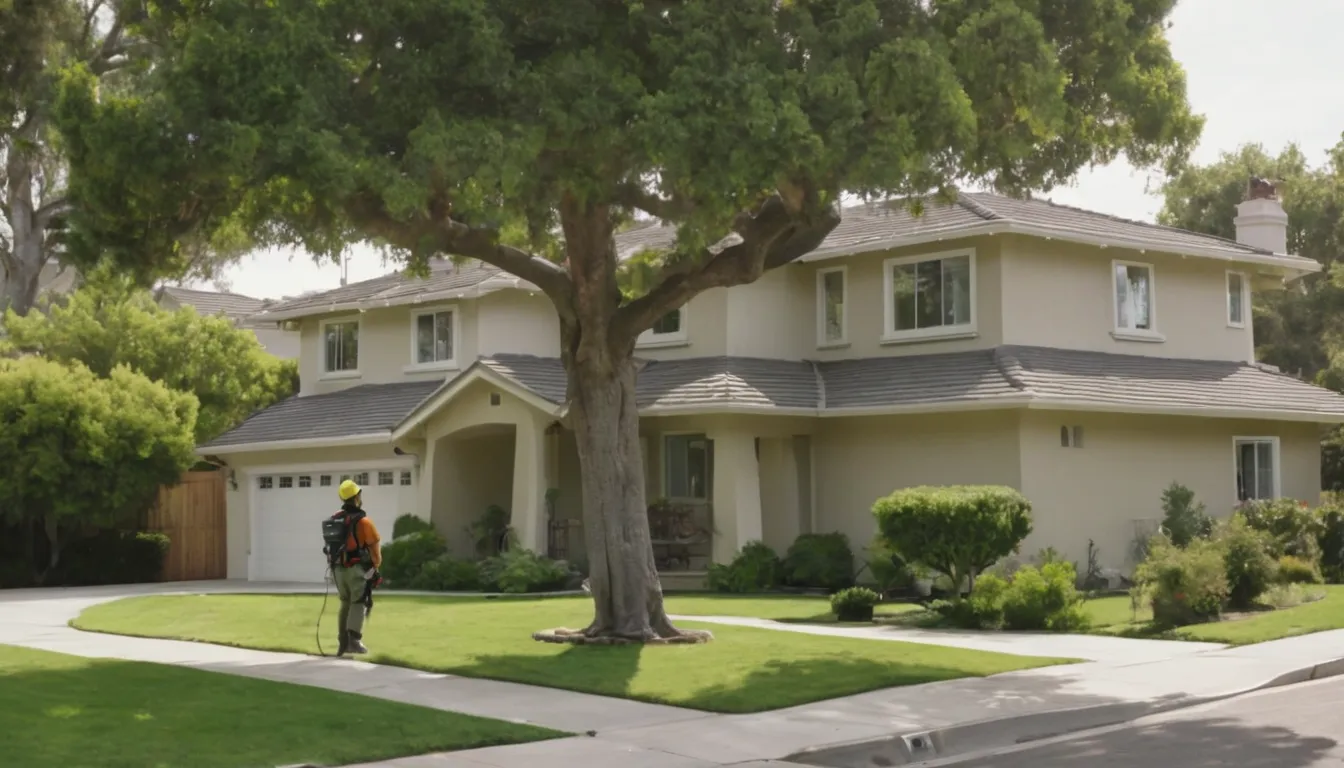
Tree Removal Help for Oceanside Homeowners
Request an estimate and compare options
Removing a tree is a big decision. It can protect your home, your yard, and your family. It can also go wrong when it is rushed. This page helps you slow down, understand the risks, and choose with a clear head.
Taskentertainment Tree Service is a referral service. We connect homeowners in Oceanside and the Oceanside area with independent local providers who do the cutting and hauling. We do not do the work ourselves. You can share your project, compare what providers say, and decide with no obligation. The sections below cover warning signs, price factors, rules, and what to expect.
Thinking About Removing a Tree? Start Here
A worried feeling about a tree is not always a crisis. It does deserve a careful look. Gather facts before you hire anyone to cut.
This page follows one idea: Compare, then decide. Taskentertainment Tree Service is a referral service. It connects you with independent local providers. The providers do the work, and the choice stays with you.
Early Warning Signs Worth Acting On
Small signs often show up before a big failure. Look for these:
- Cracks or splits in the trunk or in a main branch
- Mushrooms or soft, crumbly wood near the base
- Roots lifting soil, or a trunk that has started to lean
- Large dead branches, or a crown that thins out each year
- Sap oozing from bark, or bark falling away in sheets
Dry seasons in our region can stress trees. Winter rain can then loosen soil around the roots. A tree that looked fine in summer may be weaker by spring.
Do and Do Not Before Anyone Arrives
Do keep people and pets away from the base and the drop zone. Do take photos from a safe distance. Do note which way the tree leans and what it could reach.
Do not climb it, cut it, or pull on it yourself. Do not use a ladder under a heavy limb. Do not park a car or set up a play area nearby. Safe distance first.
When It Cannot Wait
Some situations are urgent. A tree resting on a roof, blocking a driveway, or touching a power line needs fast attention. Stay away from any line and anything touching it. Report downed lines to the utility.
If a tree is already down or hanging, Request a callback to check provider availability. Many providers can respond quickly, though availability varies.
Why Homeowners Choose Removal
Removal is not the first answer for every tree. People usually choose it for a few clear reasons:
- The tree is dead, dying, or structurally unsound
- Roots are pushing on a slab, pipes, or a stucco wall
- Branches hang over the roof and keep dropping debris
- Storm tree clearance after wind or heavy rain
- A planned project needs the space
Older bungalows and 1950s to 1980s tract homes often have mature trees planted close to the house. That makes careful planning matter even more.
Pruning or Removal: How to Decide
Ask each provider if the tree can be saved. Good pruning can fix some problems. Removal makes sense when the trunk, roots, or whole crown is failing. Ask for the reason in writing so you can compare answers.
How a Removal Job Usually Works
A provider visits, looks at the tree, and checks access and nearby hazards. They explain the plan and give a written quote. On the day, a tree falling service may cut the tree down in sections or fell it whole if there is room. Pieces are then cut, hauled, or left as you agree.
What Affects the Price
Price depends on size, health, access, and how close the tree stands to your home or wires. Tight yards, fences, and slab or raised foundations can add work. Debris haul-away and stump grinding are often priced apart. See the cost table below for typical U.S. ranges.
Permits and Local Rules
Some cities protect certain trees by size or species. Others require a permit for street trees or trees near utilities. Rules vary, so do not assume. Ask the provider if a permit applies, and check with your city or HOA. Ask it in writing.
Comparing Estimates Without Pressure
Get at least two written quotes. Check that each one lists the same scope. Look for the work, cleanup, stump handling, and total price. A low number may leave things out. A high number may include extras you do not need.
Choosing a Provider
Ask these questions before you agree:
- Can you show proof of liability insurance and workers' compensation?
- Who is on site, and who is responsible for damage?
- What happens to the wood and debris?
- Is stump grinding included, or priced separately?
Be careful with anyone who asks for full payment up front or pressures you to decide on the spot.
Insurance and Documentation
Some policies may cover sudden damage, such as a tree falling on a structure. Check your policy. Providers can often help document damage for a claim. Take your own photos too.
Getting Ready for Removal Day
Move cars, patio furniture, and toys away from the work area. Tell neighbors if branches cross fences. Keep pets indoors. Mark sprinklers or lines you know about. Stay clear while the crew works.
After the Tree Comes Down
Walk the site with the provider. Confirm that cleanup matches the quote. Decide about the stump: grinding removes it below ground, so you can replant or lay turf. Ask about wood chips you can use as mulch.
Think about replanting with a smaller, water-wise tree suited to long dry seasons. Plant it a safe distance from the house, slab, and wires.
Ready to Compare?
You do not have to decide today. Share your project, review what providers say, and choose when you feel sure.
What's Included
Tree Inspection Visit
A provider looks at the tree, the roots, and the surroundings, then explains the options and the plan.
Safe Removal
Trees are cut down in sections or felled whole, depending on space, health, and nearby structures.
Cleanup and Haul-Away
Branches and logs can be chipped, stacked, or hauled off. Confirm what is included in writing.
Stump Grinding
Grinding the stump below ground is often quoted as an add-on. Ask for it as a separate line.
Typical Tree Removal Costs
These are typical U.S. ranges. Real prices vary by tree size, health, access, and cleanup. Ask each provider for a written quote that lists the scope, so you can compare like with like.
| Item | Typical range | Notes |
|---|---|---|
| Small tree (under 30 ft) | $150 – $600 | Easy access keeps cost lower |
| Medium tree (30–60 ft) | $500 – $1,500 | Depends on lean and nearby structures |
| Large tree (over 60 ft) | $1,200 – $3,500 | Often cut in sections |
| Hard-access or crane job | $1,500 – $5,000+ | Fences, wires, or tight yards add work |
| Stump grinding | $100 – $600 | Priced by stump diameter |
| Debris haul-away | $75 – $400 | Sometimes included, so ask |
How It Works
Share Your Project
Tell us about the tree, its location, and any warning signs so we can pass it along.
Connect With a Provider
A local provider in our network may contact you to talk through your tree.
Compare Written Quotes
Review scope, cleanup, stump work, and price in writing before you commit.
Decide and Schedule
Pick the provider you feel comfortable with and agree on a date directly with them.
Why Call Taskentertainment Tree Service
Compare First
Review more than one written estimate so you can see scope and price side by side.
No Pressure
Share your project with no obligation. You decide if and when to move forward.
Local Providers
Providers in our network are independent and know local trees, soil, and weather.
Safety Focus
Clear do and do not advice helps you avoid risky shortcuts.
Other Services
Need tree removal help in Oceanside?
Send a few photos and a short note about your tree. A local provider can follow up, and you decide what happens next. No obligation.
No obligationTree Removal Help FAQ
How much does tree removal cost?
Typical U.S. prices run from about $150 for a small tree to $3,500 or more for a large one. Access, health, and cleanup change the total, so ask for a written quote before you agree.
Do I need a permit to remove a tree?
It depends on where you live. Some cities protect trees by size, species, or location. Ask the provider and check with your city or HOA before work starts.
Is it safe to cut down a tree myself?
Usually not. Falling limbs, wires, and unpredictable weight cause serious injuries. Keep a safe distance and let a trained, insured local provider handle the cutting. Compare written estimates first.
Get in touch
Send a few photos and a short note about your tree. A local provider can follow up, and you decide what happens next. No obligation.
No obligation